
2026-09-16 ·
What Local Building Codes Say About Rodent Exclusion
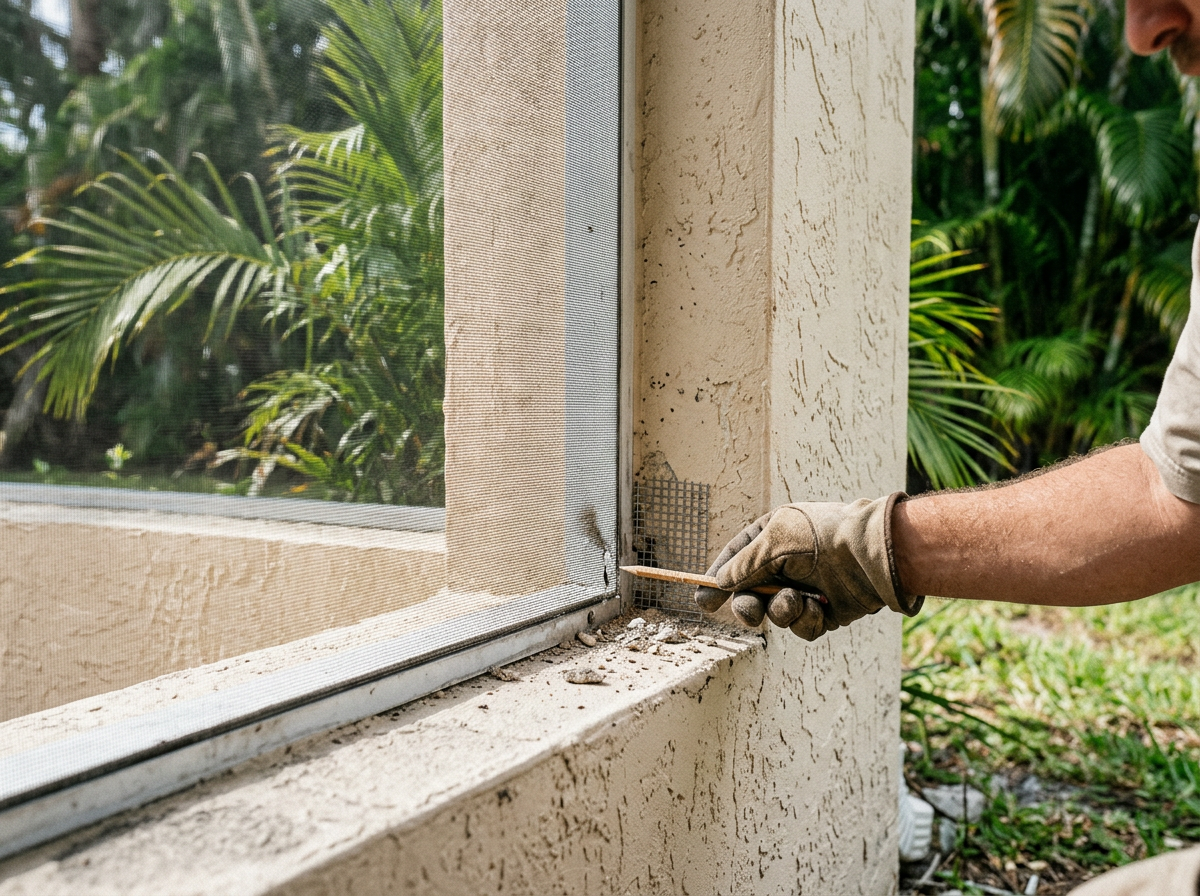
Florida building codes require that all structural openings larger than 1/2 inch be sealed against rodent entry, with 1/4 inch hardware cloth specified for most vent and soffit repairs in residential construction.
Gap Size Standards for Rodent Exclusion
Building codes across Florida reference the 1/2 inch threshold because roof rats routinely pass through any opening at or above that size. Inspectors look for gaps around plumbing penetrations, electrical entries, and barrel tile edges during remodels or additions. In Bartow and surrounding Polk County areas, enforcement focuses on new work and visible repairs rather than existing homes unless a permit is pulled. Homeowners can measure suspect openings with a standard ruler or drill bit set to confirm compliance. Once identified, these gaps must be closed with materials that match code minimums rather than temporary foam or caulk alone.
Approved Materials and Installation Rules
Codes accept 1/4 inch galvanized hardware cloth as the standard mesh for covering vents, soffits, and roofline voids because smaller rodents cannot chew through it. Sheet metal, cement board, and certain expanding metal plates are also listed for larger openings. Installation must be secured with screws or masonry anchors rather than staples so the barrier stays intact over time. In central Florida homes, inspectors often reject lightweight window screen because it fails under repeated gnawing. Proper overlap of at least 2 inches around the perimeter of each patch ensures no new 1/2 inch gaps form at the edges.
Tree and Palm Clearance Requirements
While building codes do not dictate landscaping distances, they intersect with exclusion when tree limbs or palm fronds contact the roofline and create pathways that bypass sealed openings. Local practice in Bartow calls for maintaining at least 6 feet of clearance between canopy branches and the roof edge to reduce climbing access for roof rats. This distance prevents rats from using oak limbs or palm fronds as bridges into soffits and vent boots. Property owners who trim to this standard often see fewer repeat entries after initial sealing work. The same clearance applies to any vegetation growing against exterior walls where rats could reach upper levels.
Attic and Wall Cavity Provisions
When rodents die inside walls or attics, Florida codes require removal of contaminated insulation before new material is installed during permitted repairs. Odor typically develops within 3 to 5 days after death, prompting owners to locate and extract the carcass promptly. Codes also address insulation replacement to restore thermal performance and eliminate nesting sites. In Bartow homes with barrel tile roofs, inspectors check that vent boots and ridge vents remain screened after any roof work. These rules ensure that exclusion work performed under permit meets both pest prevention and energy standards without creating hidden cavities.
Readers planning exclusion upgrades can review details on rodent exclusion and sealing or compare practical steps in rodent-proofing chicken coops and sheds in rural Bartow. Service pages for roof rat control also outline how these code points apply during active jobs.