
2026-09-16 ·
Cost Factors for Rodent Control in Central Florida
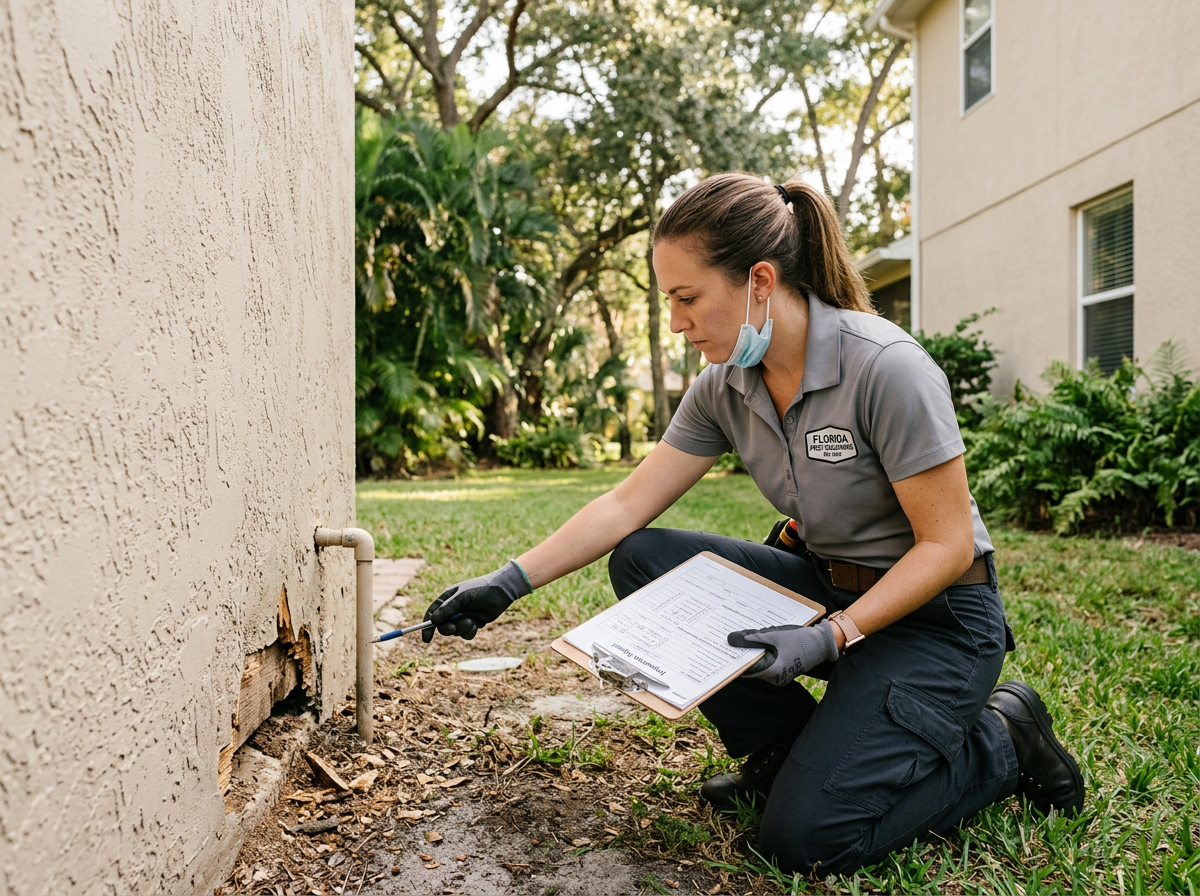
Several factors shape the total investment required for rodent control in Central Florida. Property size, number of roof entry points, and whether insulation replacement becomes necessary after contamination drive most of the variation. Roof rats commonly reach homes through oak canopies, palm fronds, soffits, barrel-tile voids, and vent boots, so addressing these access routes early prevents repeated service calls.
Entry Point Assessment and Sealing
The first major cost factor is locating and closing every opening a rodent can use. Roof rats squeeze through gaps as small as ½ inch, so technicians must inspect soffits, vent boots, and tile edges thoroughly. Homes in Bartow and surrounding areas often need metal flashing or ¼-inch hardware cloth installed around these points because Florida conditions allow year-round activity with no winter die-off. Exclusion work requires more labor than simple bait placement, yet it stops new rodents from entering. Readers can review detailed sealing methods in the article Sealing Entry Points on Older Bartow Homes. Thorough exclusion usually involves multiple visits to confirm all gaps are covered before moving to cleanup.
Attic Sanitation and Insulation Impact
When rodents die inside walls or attics, odour develops within 3–5 days and spreads through HVAC systems. This creates the next cost layer: removing contaminated insulation and droppings. Insulation that has been soiled must be replaced to restore energy efficiency and eliminate attractants for future rodents. The process includes vacuuming, disinfecting surfaces, and installing new material where needed. Properties with heavy roof rat activity often require full attic sanitation rather than spot treatment. More information appears in the guide Checking for Rodent Damage in Attic Insulation. These steps add time and material expense but prevent recurring problems that baiting alone cannot solve.
Tree and Palm Trimming as Prevention
Ongoing maintenance of vegetation around the roofline ranks as a significant long-term cost factor. Trimming oak branches and palm fronds back at least 6 feet from the structure removes the primary travel routes roof rats use. In Central Florida, fast-growing trees demand this clearance multiple times per year to stay effective. Homeowners who skip trimming see new entry points form quickly because rodents exploit any contact with the roof. This preventive work reduces the frequency of full exclusion jobs and lowers overall expense over time. The service page Rodent Exclusion and Sealing outlines how trimming integrates with permanent sealing measures.
Follow-Up Monitoring and Service Frequency
Final costs depend on how many monitoring visits are scheduled after initial work. Roof rats produce 4–6 litters annually, so properties with prior activity benefit from quarterly checks to catch new activity early. Monitoring includes inspecting exterior bait stations, rechecking sealed points, and confirming no new insulation damage. Homes that combine exclusion, sanitation, and trimming typically need fewer follow-ups than those relying only on bait. The page Attic Cleanup and Sanitation details what each visit covers. Planning these intervals in advance helps owners budget without surprise charges tied to repeated infestations.